Exploring the Victorian Enigma: A Profound Analysis of Bram Stoker's "Dracula"
Written by Camile Santana
August 9th
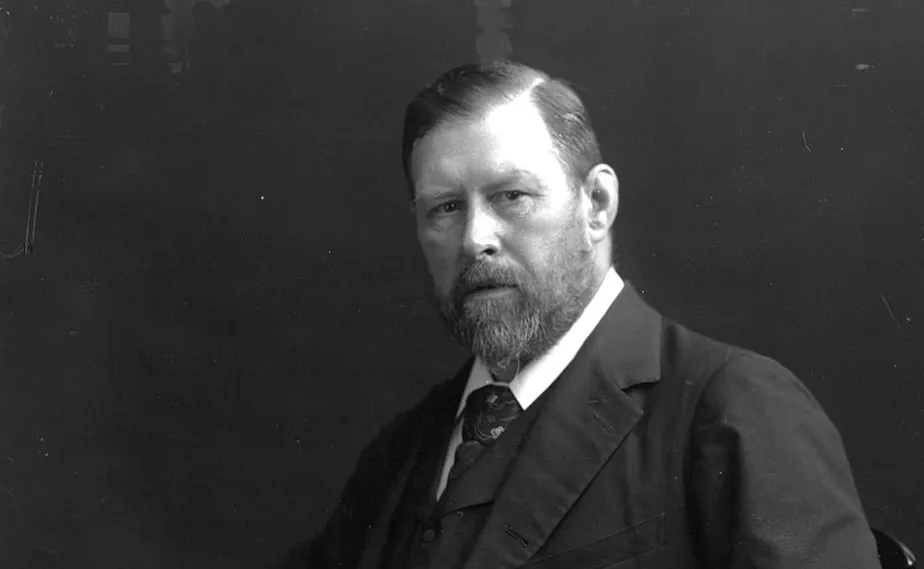
"Dracula" by Bram Stoker is a Gothic horror novel published in 1897. The story revolves around Count Dracula, a centuries-old vampire from Transylvania, and his quest to move to England to spread the curse of vampirism. The novel is narrated through a series of letters, diary entries, and newspaper clippings, adding depth to the narrative.
At its core, "Dracula" explores the timeless theme of good versus evil. Count Dracula embodies malevolence and darkness, while a group of characters, led by Professor Abraham Van Helsing, represents the forces of light and virtue. Their battle against Dracula's evil intentions forms the heart of the story.
Set in Victorian England, the novel also delves into the societal norms and constraints of the time. It addresses themes of gender and sexuality, particularly through the female characters who struggle against Victorian ideals of femininity.
Bram Stoker drew from various sources of vampire lore and mythology to craft his unique version of the vampire legend. "Dracula" has had a profound influence on popular culture, inspiring countless adaptations and becoming synonymous with the vampire genre.
Above all, "Dracula" taps into deep-seated human fears of the unknown, death, and the supernatural. Its masterful use of suspense and tension creates an atmosphere of dread that continues to captivate readers and scholars alike. As a literary classic, it remains a must-read for those intrigued by the macabre and the enduring allure of vampires.
Meet the Author
Abraham Stoker, widely known as Bram Stoker, was a prominent Irish author born on November 8, 1847, in Clontarf, a coastal suburb of Dublin, Ireland. He is best remembered for his seminal Gothic horror novel, "Dracula," which remains one of the most enduring and influential works in the realm of supernatural fiction.
Stoker's literary career was marked by several noteworthy aspects. While "Dracula" is his most renowned work, he also authored other novels and short stories, although none achieved the same level of recognition. His writing style, particularly in "Dracula," was characterized by its innovative use of epistolary format, employing letters, journal entries, newspaper clippings, and other documents to construct the narrative. This distinctive approach not only added depth to the storytelling but also engaged readers in a unique and immersive way.
One of the defining features of Stoker's career was his fascination with the supernatural and the macabre. To craft "Dracula," he drew inspiration from a diverse array of sources, delving into Eastern European folklore and history. Vlad the Impaler, a 15th-century figure known for his brutal and impaling methods, served as a significant source of inspiration for the character of Count Dracula. Stoker's meticulous research and creative amalgamation of various elements contributed to the enduring appeal of his vampire mythos.
Before achieving literary fame, Stoker had a multifaceted career. He initially worked as a civil servant, and later, he became the manager of the renowned Lyceum Theatre in London. This role exposed him to the world of theater and brought him into contact with the celebrated actor Henry Irving. Stoker's association with Irving significantly influenced his life and career, and he served as Irving's business manager for many years.
In his personal life, Stoker was married to Florence Balcombe, and they had one child, a son named Noel. Although his personal experiences and interactions with other notable figures of his time are less widely documented, they undoubtedly influenced his writing and perspective.
What sets Bram Stoker apart in literary history is the enduring impact of "Dracula." Count Dracula, the character he created, has become one of the most iconic figures in horror literature and popular culture. The novel has inspired countless adaptations, from films to books to various forms of media, ensuring Stoker's lasting legacy.
Interestingly, Bram Stoker did not experience immediate fame during his lifetime. It was only in the decades following his death on April 20, 1912, in London, England, that "Dracula" gained widespread recognition and became a literary classic. Today, he is celebrated as one of the pioneers of vampire fiction, and his unique storytelling style and the chilling, atmospheric world he crafted continue to captivate readers and inspire countless adaptations and reinterpretations of the vampire myth. In summary, Bram Stoker's enduring legacy is deeply intertwined with his creation of Count Dracula and the profound impact "Dracula" has had on horror literature and popular culture. His contributions to the genre, his innovative narrative style, and his enduring appeal as a writer continue to fascinate and captivate audiences worldwide.